
Sticks and stones may break bones, but words can definitely hurt just as bad, if not worse than some physical injuries. Computers provide us with access to the greatest bank of information ever compiled. However, we also live in an era where we can say whatever we want to whoever we want under the thick veil of anonymity. This illusion of safety behind the screen can lead to bullying in whole new and even more embarrassing ways. That is why these tips for how to prevent cyberbullying for kids are so important. We need to help our kids understand the ways that tech can be used inappropriately, how to avoid cyberbullies, and how to stop cyberbullying if it should happen to them or their friends.
Ways To Prevent Cyberbullying
It is so important to talk to our kids about cyberbullying before it happens. The best cyberbullying prevention involves making sure children understand what cyberbullying is and that they know they can get help handling the cyberbully. This is much like traditional bullying but it occurs through electronic devices. Often times fake accounts are used to make it harder to know who the actual bully is and to appear to multiply to bullying sources.
Cyberbullying is the use of the internet or mobile technology to bully others. There are many types of cyberbullying. Examples are posting inappropriate photos on social media, spreading lies and mean rumors, or sending harassing messages. You should make sure your child understands that cyberbullying can happen, that it is not OK, and that they can get help. Cyberbullying statistics may help you start the conversation around how to prevent cyberbullying.
Cyberbullying Statistics
Electronic devices come with inherent dangers. Children being cyberbullied is much more common than you may think! Computers, tablets and predominately cell phones have become the medium by which kids are targeted and are targeting in a multitude of disturbing ways. Fake accounts on social networking sites have become extremely common and they can be very confusing for the cyberbullied child.
In fact, according to Dosomething.org, 41 percent of children have been bullied online, and an alarming number have had it happen more than once. Even more startling is the fact that 80 percent of children have been witness to cyberbullying. This leaves parents and leaders responsible to step up and stop this devastating trend. It’s time to teach our kids how to navigate the perils of the online world and how to prevent cyberbullying.
Today’s kids are more connected than ever. Cyberbullying isn’t something we had to deal with, but it’s a harsh reality for our children. The Cyberbullying Research Center reviewed 234 cyberbullying articles published in peer-reviewed academic journals. They concluded that, “about one out of every four teens has experienced cyberbullying, and about one out of every six teens has done it to others”.
Is Cyberbullying A Crime?
Montana is the only state in the union that doesn’t have anti-bullying laws on the books. New Jersey has the toughest laws on this in the country. New Jersey enacted the Anti-Bullying Bill of Rights in 2011, following a number of cyberbullying-related suicides that happened across the country.
FindLaw.com says that, “Cyberbullying may often be treated as a civil, rather than a criminal matter.” However, they also share that serious criminal charges have been brought in cases where the offense has resulted in suicide or other tragic consequences.
The bottom line is cyberbully may or may not be illegal (depending on where you live and the severity) but either way, it is wrong. We have to tell our kids it is unacceptable to do to other kids. There may be unexpected and severe consequences of cyberbullying. Kids also need to know that is OK to get help if it happens to them.

Talk About The Dangers of Strangers & CyberBullies
According to Lifelock, it isn’t just cyberbullies targeting our children. Youth is the fastest growing demographic for identity theft and other online crimes as well. The Internet can be nearly impossible to patrol, and the more unsafe-surfing is done, the more vulnerable children end up being. That doesn’t mean you should stand over your kid’s shoulder the entire time they’re surfing online. It just means that creating a dialog about the dangers of the Internet needs to be on the forefront of your parenting roster when they reach browsing age. A survey by Knowledge Masters found that less than half of parents monitor the sites their children look up. Kids tend to know this and end up treating the Internet like a limitless playground.
Lead By Example
Parents can play the role of the enforcer all they want, but leading by example is just as important. If you find yourself tempted to leave a mean anonymous comment on a blog, or shoot down a stranger for saying something you disagree with online think to yourself whether you would say that to the person in real life. If the answer is no, then don’t. The nature of online communication causes what John Suler, author of The Psychology of Cyberspace, calls disassociative anonymity. This means that you can say whatever you want online without repercussions you can get the same power high many achieve by putting others down, but without having to deal with the nitty-gritty of the effect it has on the other human.
Teach Kids To Avoid Being A Cyberbully
Teaching kids and teens to deflect attacks with humor or strength of character is an important tactic. Parents should also talk to their kids about the importance of character and choosing not to be a bully. Teach kids to match their actions to who they want to be. The most important things to for your kids to remember while using the Internet are:
- Be respectful: Don’t say anything you wouldn’t want said to you
- Don’t victimize or generally be mean (if they don’t know what being mean means, you’ve got a whole different book of problems to deal with)
- If you see something, say something
- Stand up for yourself without being a jerk
- Never reveal any personal information online: Assume that the whole school is watching you online that’s a good rule of thumb for monitoring behavior
- Using the Internet is a privilege; it isn’t a birthright, so don’t treat it as such!
- Teach them to know what cyberbullying is and talk to you about it if it happens.
What Cyberbullying For Kids Looks Like:
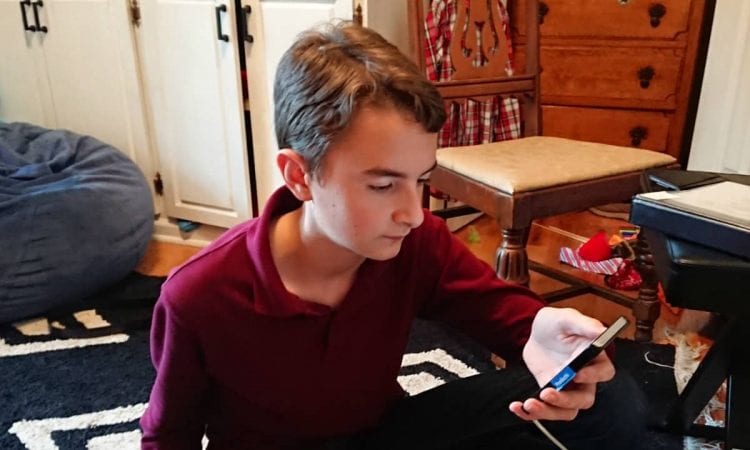
Fox News reports that 88 percent of teenagers have encountered cyberbullying in their lives, whether it’s been directed at them or someone close to them. Cyberbullying can take many forms. Young people may receive nasty text messages. Sometimes the bully posts embarrassing photos on social media platforms. Other times the bully makes abusive comments the person’s own social posts. Some cyberbullies make malicious comments and manipulate the target’s friends by using a fake profile on a social network. Unfortunately, a lot of online bullying happens on social media sites.
While online gaming is a valuable tool that can positively impact a child’s emotional, cognitive and social skills, cyberbully happens through online communities too. A side effect of online gaming anonymity is that children are vulnerable to negative interactions where cybercriminals and/or cyberbullies can freely harass others. The increased popularity of social interactions while gaming online has exposed children worldwide to serious threats and dangers. The toxic interactions largely occur without parental supervision, forcing children to navigate the digital world on their own as hackers, spammers, pedophiles and other dangerous people look to take advantage of them.
“Parents need to have open lines of communication with their children while they game online,” said Ron Kerbs, Founder and CEO of Kidas, gaming privacy and protection software. “This doesn’t mean violating their trust, but more establishing an open-door policy and educating their child of the kind of interactions to flag during gameplay. Ultimately, we want to create an online gaming environment for kids that is social, safe and fun while giving parents peace of mind that their children are protected from online harassment, cyber-attacks and other toxic behaviors.”
No matter what form cyberbullying takes, it can lead to self-esteem issues, behavioral problems and depression.
Effects of Cyberbullying
The first thing to watch for is drastic changes in behavior. While this can be hard to monitor at times—given how many emotional changes children and teens go through—some things to look for include:
- Aversion to social networking and texting
- Eating more or less
- Marked differences in sleeping schedule
- Inability to concentrate
- Acting out in school
The effects of cyberbully and social media use are linked to lower self-esteem, anxiety, depression, and even suicide. This is a serious matter.
How To Stop Cyberbullying- What To Do If Your Child Is Cyberbullied
Talk to your children. Ask what’s bothering them and be proactive about protecting them. Monitor their social media accounts and digital devices. Block people who harass them. Your child should know it is safe for them to come to you with questions or concerns at any time. It may be appropriate to reach out to school administrators if cyberbullying is coming from a known source at your child’s school. If your child is being bullied, get help at stopbullying.org
I hope you find these tips helpful for how to prevent cyberbullying. It starts with being aware of the cyberbullying problem. This will give you the opportunity to talk about it with your kids. Hopefully you can avoid problems or deal with things as they come up. It can tough protecting your children. However, when there are open lines of communication, it makes it harder for the cyberbullies to win. Do you monitor your child’s social networking sites? Have you had an open conversation about your child’s use of technology told them to feel comfortable reporting any red flags to you?
Related Posts:
How To Set xFi Parental Controls For The Internet
Conversation Starters For Teens And Parents
Geena Bean says
Thank you for the post, Scarlet. I’ve been invited to guest speak at an event sponsored by LEAP on bullying and this article is quite helpful. I will be sharing a reading of Come Back Dear Sun with the children and then delivering some empowering words regarding good character and living up to one’s potential. All important aspects we must encourage in order for children to have a chance at overcoming this sad epidemic. No children should have to be victims of cyberbullying and mean comments.
dylan luca says
Excellent information and interesting discussion. Social media apps can present a lot of concerns. I have even heard they can suicidal thoughts which is super scary. We have set time limits our children’s electronic devices.
Komal Panwar says
Really appreciate the hard work of yours… Definitely need to monitor social media apps and online communities for suspicious contacts.
Sahil Deswal says
This article provides practical tips on preventing cyberbullying for kids. It’s crucial for parents to take action and teach their children about empathy and kindness towards others, while also setting boundaries for screen time and monitoring their online activity. Encouraging kids to speak up if they witness any instances of cyberbullying can also help to stop the behavior before it escalates.
Yoglica says
Nice and informative post. I think this info need to be know to everyone. Thanks for the article.
Keth Joe says
Very nice post! I found the content to be incredibly informative and well-written. The writer clearly did their research and presented the information in an easy-to-understand format. Keep going!
Rex says
Thank for sharing this tips via this blog.
It’s very useful and helpful.