
Digital orthodontic planning has changed the way orthodontists approach treatment. Digital orthodontic planning provides orthodontists with images and lets them see the final smile before the work begins. That is why clinics like Smiles+Grins Orthodontics use these technologies to improve patient outcomes and deliver high-quality care.
In Manhattan’s Upper East Side, families, teens, and adults who look for good care rely on orthodontists to use these new resources to create plans that fit each person. Digital orthodontic planning reduces surprises and improves results.
The clear aligner growth shows that digital tools are making orthodontic treatment easier to get and more attractive. The digital orthodontic planning that comes with aligner use gives patients results and more predictable outcomes in today’s dental offices.
Limitations of Traditional Orthodontic Planning
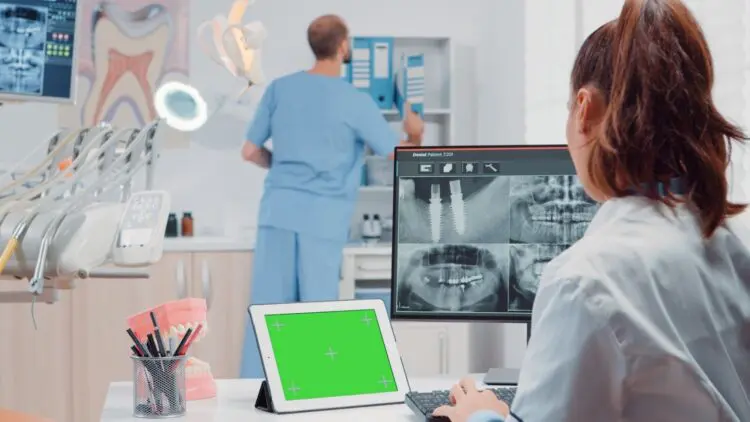
Traditional methods rely heavily on impressions, 2D X-rays, and manual wire bending. They often give approximations of predictions because the tools only capture two-dimensional images, and the wires are bent by hand.
Plaster models and cephalometric tracings limit the view of movements and make it hard to see how teeth move in three dimensions, so orthodontists must make treatment adjustments. Mid-treatment adjustments lengthen treatment time and yield results that aren’t as good as they could be.
Modern orthodontic technology solves these problems of more visits and greater discomfort for young patients. These problems also mean more clinic visits and more discomfort for professionals.
The Rise of Digital Orthodontics
Digital orthodontics uses scanners that go inside the mouth and software that makes 3D models. The scanners remove mold, and the software lets the dentist run computer simulations.
Systems like Invisalign started this digital orthodontic planning approach. Digital orthodontics lets orthodontists plan tooth movement on a computer before they start treatment. Clinics such as Smiles+Grins Orthodontics on the Upper East Side use these tools to provide personalized care.
Core Technologies Driving Predictability
Several key innovations power today’s predictability:
- Intraoral Scanners: devices such as iTero capture the three‑dimensional images in a few minutes. Intraoral Scanners replace the impressions that used to be taken and do so with great speed.
- Cone‑Beam Computed Tomography (CBCT): This is used to visualize bone and roots in orthodontic practice. CBCT helps when the case is complex.
- AI and simulation software: These are used to predict tooth movements and outcomes. The AI and simulation software show this in the custom bracket systems, like LightForce.
- 3D Printing: 3D Printing makes the production of each aligner and appliance happen in an hour.
These tools let the dentist create personalization that was impossible before.
Mechanisms of Enhanced Predictability
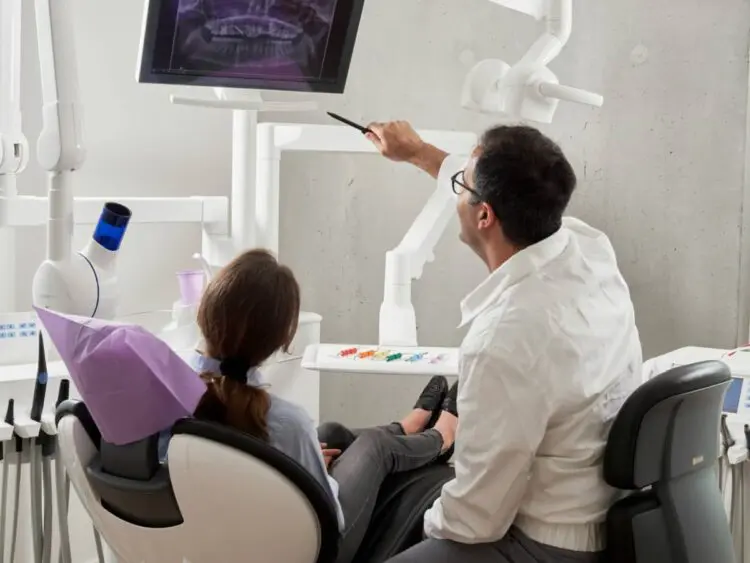
Digital planning helps predict how teeth will move by simulating forces on models. Digital planning shows the effect of pressure on each tooth. Algorithms check root length and bone density. Algorithms reduce the risk of insufficient correction, which often occurs with analog methods.
Patients can watch the animation before and after previews. Patients see expectations in the previews and become more willing to follow the treatment. This matters a lot for teens who wear aligners.
Data-driven approach cuts down on refinements. The data-driven approach also shortens the treatment by months.
Benefits for Patients and Practitioners
Digital planning and data-driven practice help patients save time on appointments and they provide more comfort. The shorter times and more comfort are good for families who balance school and work. As for the practitioners, they are able to provide more efficient services to patients. Practitioners can also use remote monitoring apps to track progress, with smartphone scans.
Modern orthodontic technology helps the team work together, raises the satisfaction and the outcomes. Parents in the Upper East Side notice that modern orthodontic technology makes the care less invasive for children and more discreet for adults. Having had two children with braces myself, I can tell you first hand that 3D digital imaging made a big difference for my son. His orthodontist was waiting for him to loose his teeth for a very long time. Finally he referred us to an oral surgeon to have them removed. The oral surgeon used digital scans and saw that his teeth were actually set too far in the roof of his mouth and never would have come down without him removing the baby teeth and applying chains. The 3D x-rays made a huge difference to his treatment process.
Current Challenges and Limitations
Even though there is progress in digital orthodontic technology, the challenges still remain. The high initial cost of the equipment is a problem. The learning curve for the practitioners is a problem. The tools have limitations when predicting tissue changes or complex skeletal issues.
Also, the digital approaches do not fit every case. The over‑reliance on simulations can miss the variability. The refinements in AI keep coming, trying to close the gaps.
In conclusion
Digital orthodontic planning makes results more predictable by using simulations and tools. Digital orthodontics overcomes the shortcomings of transitional methods. It uses innovations, AI, and scanners to provide efficient services and comfort to patients.
Modern orthodontic technology continues to evolve, enabling even better predictions and treatments for patients. The field stays focused on care that’s easy to get and reliable.
What are your thoughts on advancements in orthodontics? Share your experiences or your questions in the comments.
Related Posts:
Digital Photography Tips For Parents: Get The Most Of Your Camera
Tru Wellness says
Great article! Really interesting to see how digital planning is improving orthodontic outcomes — makes the whole process feel more precise and reassuring for patients. Thanks for sharing!
wihan says
Great article! I didn’t realize how much digital planning has improved orthodontic treatments. The idea of seeing a 3D preview of results before starting is amazing and must give patients a lot more confidence. Technology is really making healthcare more precise and comfortable — thanks for explaining it so clearly!