
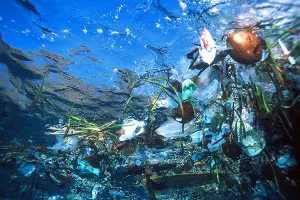
If you have ever tried to avoid using plastic you will quickly notice how pervasive it is. Plastic has become a huge part of everyday human life. However, it has also become a huge part of of human waste in landfills. Plastic is even building up in the ocean in floating, swirling masses. Now, ocean plastic waste has become a huge problem. It is killing wildlife and littering our beaches. This Plastic Infographic shoes the importance of recycling plastics.
3 Infographics That Show The Negative Effects of Plastic And The Benefits Of Recycling Plastic
The plastic problem is very serious and just keeps growing because it compounds quickly since it doesn’t break down for hundreds of years. Only about a third of the plastic that could be recycled actually is. Moreover, the plastic pollution infographic has a lot of information to inspire plastic recycling.
Plastic Pollution Infographic- The Negative Effects of Plastic
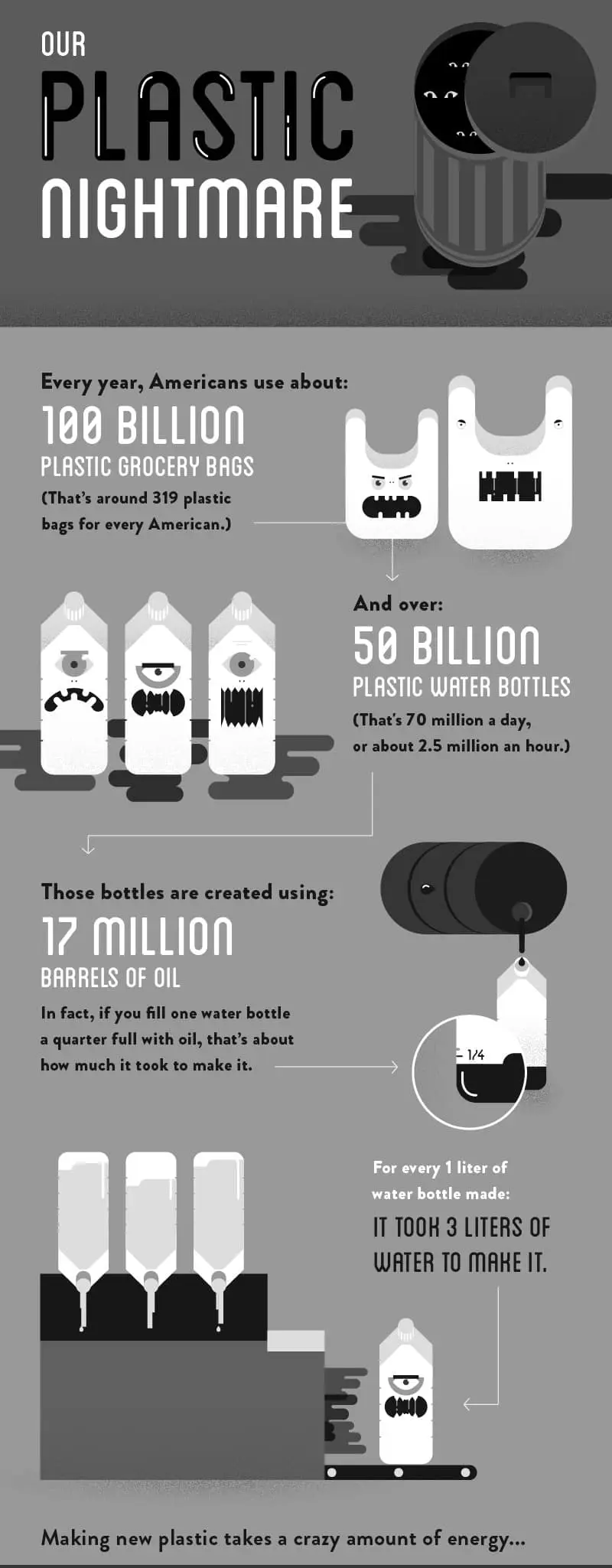
One of the major negative effects of plastic is the enormous amount of energy required to produce virgin plastic. Most plastics are made from fossil fuels such as oil and natural gas. Extracting, transporting, and processing these raw materials consumes significant energy while generating greenhouse gas emissions. Manufacturing new plastic products from virgin materials typically requires far more energy than producing items from recycled plastics. Consequently, our reliance on virgin plastic contributes to climate change, depletes nonrenewable resources, and increases environmental pollution. By reducing plastic consumption and increasing recycling efforts, we can help lower energy demand. This also lessens the environmental impact associated with plastic production.
Plastic Recycling Infographic
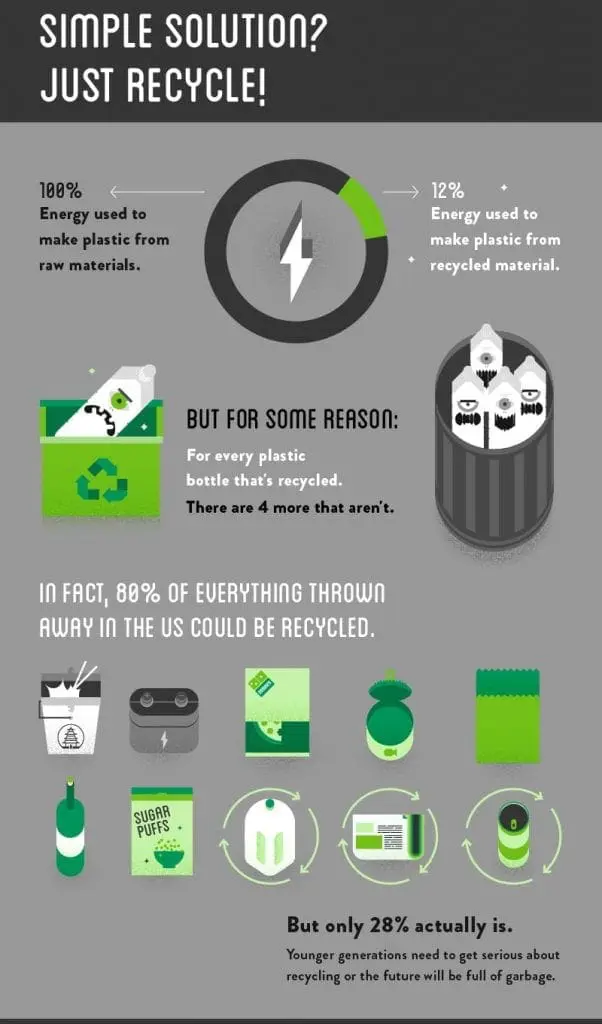
This plastic recycling infographic shares how much good comes from recycling. It is awesome how much less energy is used to make plastic from recycled materials than for virgin resources. The facts and figures are astounding.
Benefits of Recycling Plastic
Recycling plastic offers numerous environmental, economic, and social benefits, including:
- Environmental Protection: Recycling plastic reduces the need for new plastic production, which in turn decreases pollution from manufacturing processes. It helps reduce the amount of plastic waste that ends up in landfills, oceans, and natural environments. Therefore, it protects wildlife and ecosystems.
- Conservation of Resources: Recycling plastic saves natural resources, such as petroleum and natural gas, which are used to produce new plastics. Moreover, it also conserves water and energy that would otherwise be required for the production process.
- Energy Savings: Producing new plastic from recycled materials requires significantly less energy than producing it from raw materials. This energy savings can lead to reduced greenhouse gas emissions and a lower carbon footprint.
- Economic Benefits: Recycling creates jobs in the recycling and manufacturing industries. Additionally, it can lead to cost savings for businesses that use recycled materials, as these materials can be less expensive than new ones.
- Reduction of Greenhouse Gas Emissions: By recycling plastic, we reduce the need for incinerating plastic waste, which can release harmful greenhouse gases. Additionally, the energy savings from using recycled materials can further decrease overall emissions.
- Landfill Space Conservation: Recycling helps reduce the amount of waste that ends up in landfills, thereby conserving space and reducing the need for new landfill sites. This is important because establishing new landfill sites can be costly and environmentally damaging.
- Promoting Sustainability: Recycling plastic is a key component of a circular economy, where materials are kept in use for as long as possible. This sustainable approach reduces waste, conserves resources, and encourages more responsible production and consumption practices.
- Raising Awareness: Recycling programs can help raise awareness about the importance of waste management and environmental conservation. As a result, individuals and communities are encouraged to adopt more sustainable practices in their daily lives.
Plastic Infographic- Why Recycling Needs To Be Easier And More Of A Focus
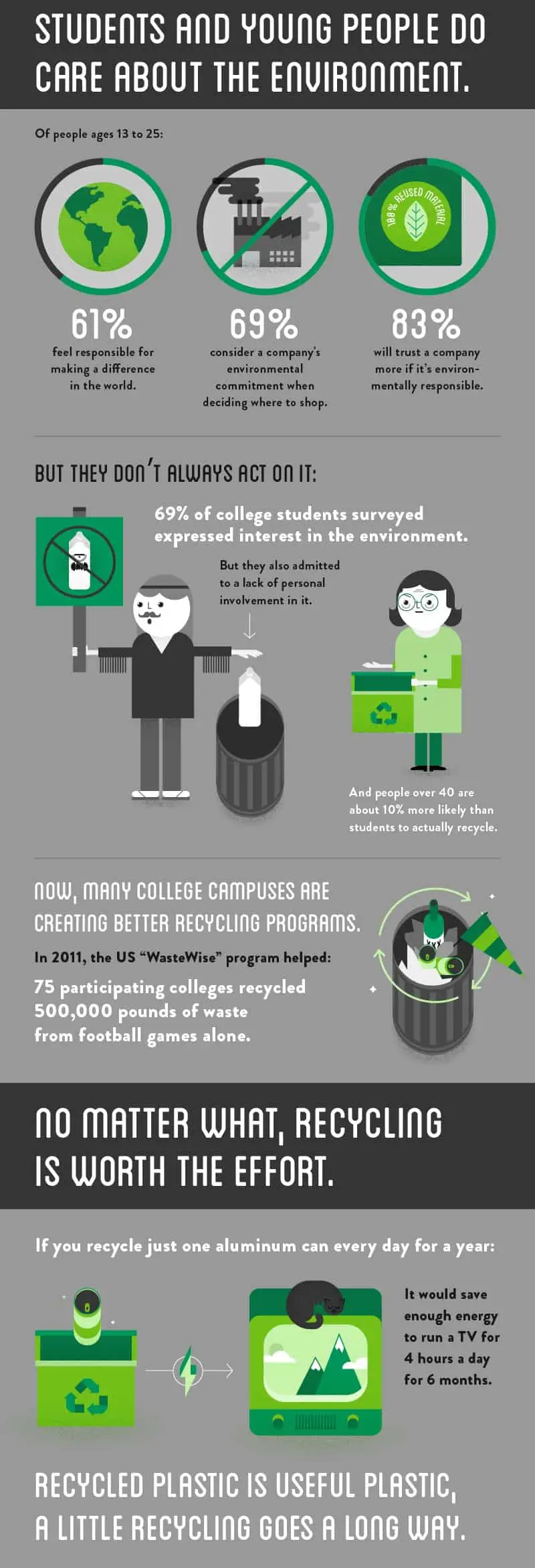
I was shocked to learn that people in the Millennial generation (college students, and young adults) are much less likely to properly recycle plastic and other materials than those in older generations! We need to all get on board with realizing the importance of recycling plastics. I hope these Infographics on Plastics help inspire you!
Recycling plays a vital role in reducing waste, conserving natural resources, and lowering pollution, but many people find it confusing or inconvenient. Different communities often have different recycling rules. This makes it difficult to know what can and cannot be recycled. By simplifying recycling programs, providing clear guidelines, and increasing access to recycling bins in homes, schools, workplaces, and public spaces, more people would be encouraged to participate. In addition, making recycling easier removes barriers. It helps turn environmentally responsible habits into everyday routines.
Conclusion
You may want to print these recycling plastic infographics and post or share it on Facebook. Awareness of the problem is the first step to creating action to change the problem.
Remember, every bit of recycling you do adds up and each piece counts!
Overall, recycling plastic is a crucial step towards achieving a more sustainable and environmentally-friendly society. Do you have any plastic recycling tips you want to share or ideas for avoiding the use of plastic when possible?
Related Posts:
Robin (Masshole Mommy) says
Wow – I had no idea we used so much plastic in such a short amount of time.
Cheri says
One thing that I have changed in the last 2-3 years is that I very, very rarely buy bottled water. I have to be pretty darn thirsty with no other water source around. I always keep 2 stainless steel water bottles in the car, one for me in the front seat and one for my son in the back seat.
I even wrote our city’s zoo and urged them to stop selling bottled water and instead sell stainless bottles and have filtered drinking fountains for people to use to refill their bottles. Last time we went to the zoo, we could only find one drinking fountain and lots of places selling bottled water. The zoo never replied to my e-mail so it will be interesting to go next summer and see if anything has hopefully changed.
More people need to write to companies, zoos etc… urging them to stop selling bottled water. Your info graphic is a good thing to send on to these places too!
Thanks so much for your post!! 🙂
Anne says
Amazing stats! It seems that after all these years recycling is rarely built into systems at restaurants, schools, churches, etc. even though we know better. Wouldn’t people recycle plastic if there were always an easy to use place to deposit it?
Lawanna says
When we lived in the West, nearly everything was recyclable. Our new area has very limited recycling. We take ours to a community bin and the only plastic they will accept is plastic bottles. No other plastic. We have a big can in the garage that gets filled with recycling and we empty it about every 10 days.
Christopher Marrero says
Hello, I am raising funds to open plastic recycling sites where ill pay people by the weight they bring in and would like to put in every school and make donations of whats collected.
Sanjana @ Green Global Travel says
Great post. Love the recycling graphics. Really very informative!