
Indoor plants do far more than decorate a room. They bring life, texture, and a sense of calm to indoor environments while helping create a stronger connection to nature. When thoughtfully arranged, plants can transform an ordinary living room, office, or apartment into a vibrant and welcoming space.
However, designing an indoor plant display isn’t simply about placing a few pots around a room. To help plants thrive over the long term, it’s important to balance three key factors: light, space, and care. This becomes even more important when incorporating larger plants, which often serve as focal points within a design scheme.
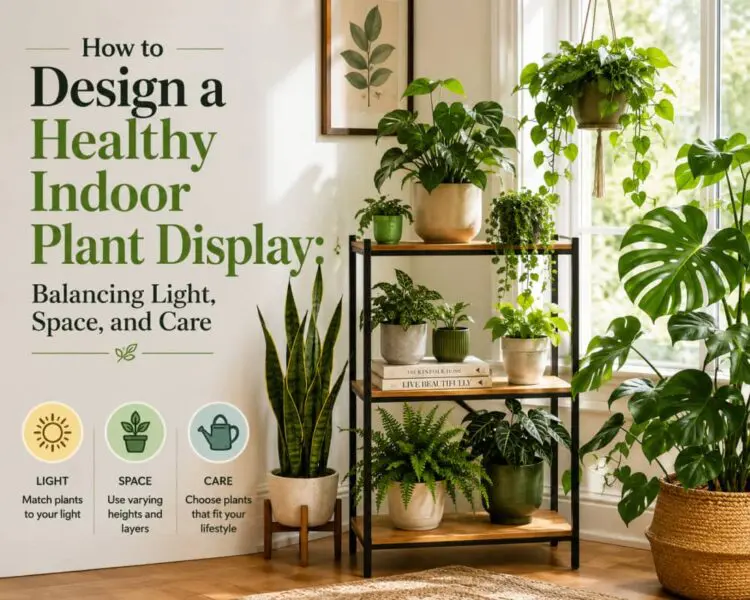
Understanding the Role of Large Plants in Interior Design
Large plants naturally draw attention. Their height, shape, and foliage create visual interest that smaller plants cannot always achieve. Whether positioned beside a sofa, near an entryway, or in an unused corner, they help anchor a room and soften hard architectural lines.
Beyond aesthetics, large plants can help define spaces within open floor plans. A tall plant can separate a living area from a dining space without creating physical barriers, allowing a room to feel organized while maintaining an open atmosphere.
When selecting a large plant, it’s important to consider the mature size rather than the current size. Many indoor plants continue growing for years, and choosing a plant that suits the available space can prevent future overcrowding.
Assessing Natural Light Before Placement
Light is one of the most important factors influencing plant health. Before arranging plants throughout a room, observe how sunlight moves through the space during the day.
South-facing windows generally provide the brightest conditions, making them suitable for plants that enjoy abundant light. East-facing windows offer gentle morning sun, while west-facing windows provide stronger afternoon exposure. North-facing windows typically receive the least direct sunlight and may be better suited for plants that tolerate lower light levels.
Large plants are often placed in corners for visual impact, but corners can sometimes receive significantly less light than expected. Before finalizing placement, spend several days evaluating the brightness of the intended location.
If natural light is limited, rotating low care houseplants periodically or supplementing with grow lights can help maintain healthy growth and vibrant foliage.
Creating Balance Through Strategic Spacing
One of the most common mistakes in indoor plant displays is overcrowding. While a lush, layered appearance can be attractive, plants still require adequate airflow and room for growth.
Proper spacing offers several benefits:
- Improves air circulation around leaves
- Reduces the likelihood of fungal issues
- Makes watering and maintenance easier
- Allows each plant to receive sufficient light
- Prevents visual clutter
A good indoor display combines plants of varying heights and sizes while leaving enough open space for each specimen to stand out. Large plants often work best when paired with medium-sized and smaller companions that complement rather than compete with them.
Think of plant arrangement as similar to furniture placement. Every element should contribute to the overall design without overwhelming the space.
Choosing Containers That Support Plant Health
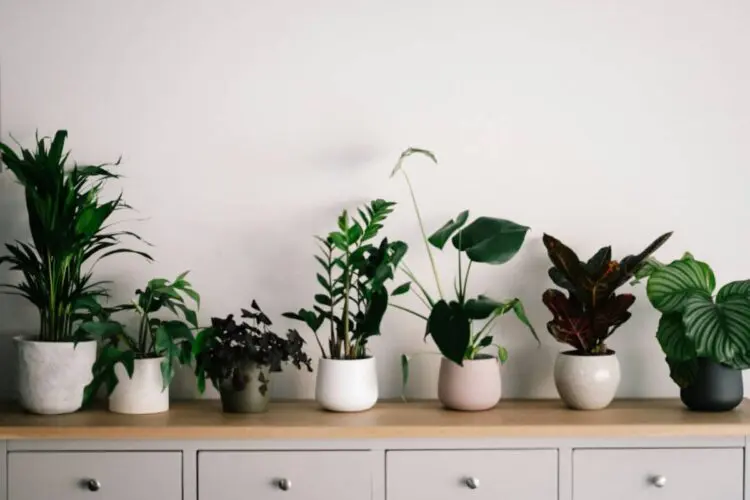
The container plays a significant role in both appearance and functionality. Decorative pots can enhance a room’s design, but plant health should remain the priority.
Drainage is especially important. Excess water trapped around roots can lead to root rot, one of the most common causes of indoor plant decline. Containers with drainage holes help excess moisture escape and encourage healthier root systems.
The size of the pot should also match the plant’s root structure. Oversized containers may retain more moisture than necessary, while pots that are too small can restrict growth.
When designing a display, consider coordinating containers through color, texture, or material to create a cohesive appearance without making every pot identical.
Developing a Consistent Care Routine
A beautiful indoor display depends on consistent maintenance. Fortunately, most plant care becomes manageable when incorporated into a regular routine.
Key care practices include:
Watering
Rather than watering on a strict schedule, check soil moisture regularly. Environmental conditions such as temperature, humidity, and seasonal changes can affect how quickly soil dries out.
Cleaning Leaves
Dust can accumulate on foliage over time, reducing a plant’s ability to absorb light efficiently. Wiping leaves occasionally helps keep plants healthy and attractive.
Monitoring Growth
Inspect plants regularly for signs of stress, discoloration, pests, or unusual growth patterns. Early detection allows problems to be addressed before they become serious.
Pruning
Removing damaged or yellowing leaves encourages healthier growth and keeps displays looking tidy.
Consistency often matters more than perfection. Small, regular maintenance sessions can prevent larger issues from developing.
Incorporating Multiple Layers for Visual Interest
Professional-looking plant displays often rely on layering. Instead of placing every plant at floor level, consider using different heights to create dimension.
Some effective layering techniques include:
- Floor plants as focal points
- Plant stands for medium-height specimens
- Shelves for trailing varieties
- Window ledges for sun-loving plants
- Hanging planters to draw the eye upward
Layering allows each plant to contribute to the overall composition while maximizing available space.
The goal is to create movement and visual flow throughout the room rather than concentrating all plants in a single area.
Adapting Plant Displays as Conditions Change
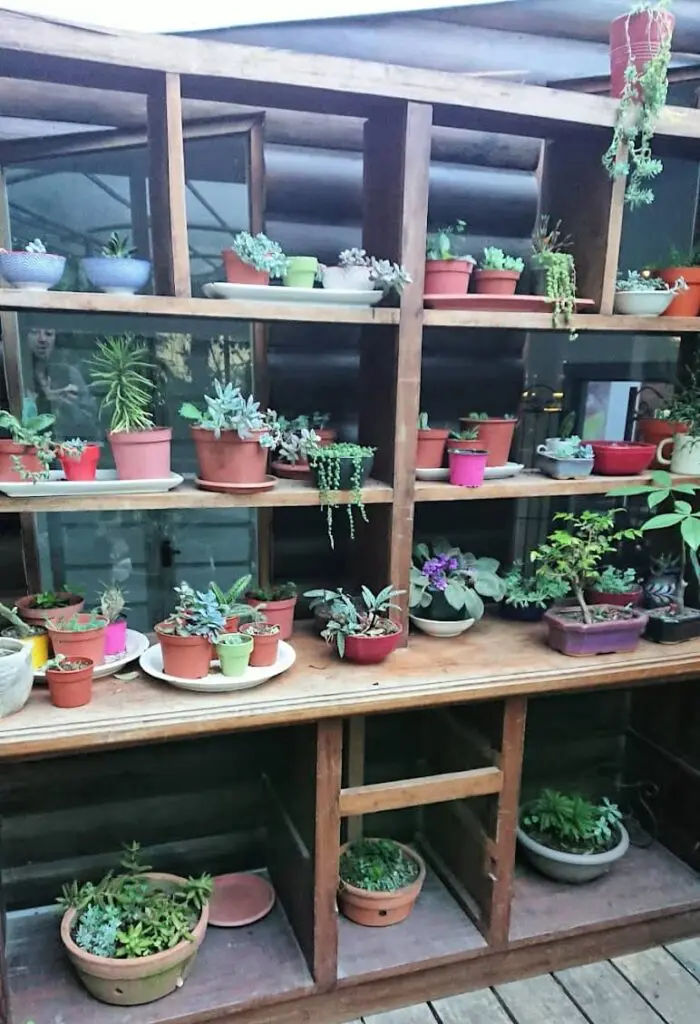
Indoor environments are rarely static. Seasonal sunlight shifts, furniture arrangements change, and plants continue to grow.
A successful plant display evolves over time. Large plants may eventually require relocation to accommodate their mature size. Some areas of a room may become brighter or darker depending on the season.
Reevaluating plant placement periodically helps ensure that both aesthetic and environmental needs remain aligned.
Flexibility is especially important when working with larger specimens, which can become significant design elements as they mature.
Conclusion
Designing a healthy indoor plant display involves much more than choosing attractive greenery. By carefully balancing light exposure, available space, and ongoing care requirements, it’s possible to create an indoor environment where plants thrive and enhance the overall atmosphere of a room.
Large plants can serve as stunning focal points, adding structure, texture, and natural beauty to any interior. When paired with thoughtful placement, proper spacing, and consistent maintenance, they become long-lasting features that contribute to both plant health and interior design success.
Related Posts:
Trish says
I love this advice. An indoor plant display can transform any room into a vibrant, relaxing space while improving air quality and adding natural beauty. Thanks.
Patricia says
What great ideas for improving my plant display. Really enjoyed reading this post thank you author for sharing this post .. appreciated.