
A healthy gut forms the foundation of a dog’s wellness and digestive comfort. Many pet owners now look beyond traditional kibble to support their canines’ internal balance. Mushroom-based additions have gained attention for their gentle action on the digestive tract. This guide walks through safe integration steps, proper dosing, and what to watch for when introducing a new fungal product into daily meals. When chosen carefully, premium mushroom supplements for dogs can provide powerful natural support for immunity, energy, and overall vitality using time-tested functional fungi. Always consult your veterinarian before adding any new supplement to your dog’s routine.
Start with Tiny Amounts First
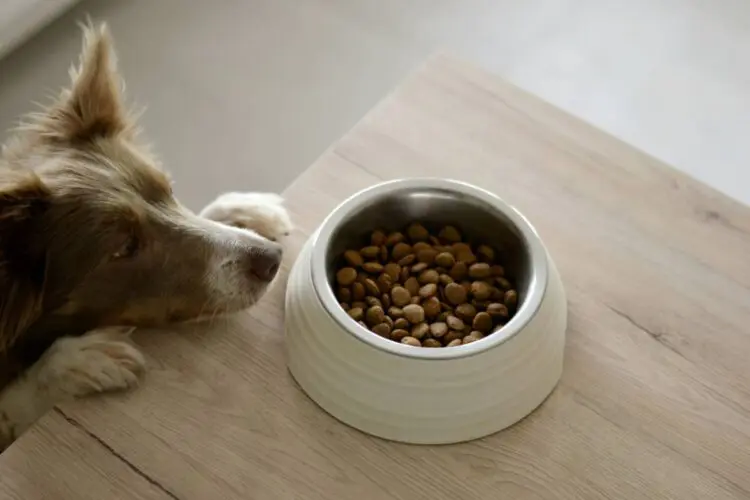
A dog’s digestive system needs time to adjust to any new dietary addition. A pet owner considering a dog mushroom supplement should begin with a fraction of the recommended serving size on the package. A pinch of powder or half a capsule mixed into wet food works well for the first week.
This slow approach allows the gut microbiome to adapt without sudden shocks or loose stools. Morning feedings offer the best time to introduce the new ingredient for easy observation. The owner can watch for any signs of discomfort, such as gas, bloating, or changes in appetite. After three to five days without issues, the portion can increase slightly.
Pick the Right Product Form
The best mushroom supplements for dogs are high-quality, vet-formulated blends made from functional mushrooms like reishi, turkey tail, and shiitake, which are valued for their immune-supporting beta-glucans and overall wellness benefits. Powders and chews represent the two most common ways to deliver these functional ingredients. Powders mix easily into canned food, broth, or plain yogurt without changing the texture much. Chews provide a convenient option for dogs that enjoy treats and eat them eagerly.
Liquid extracts exist as well, though they require careful measuring with a dropper each time. A pet owner should avoid whole dried mushrooms because dogs cannot break down raw fungal cell walls effectively. Heat-processed or extracted forms release the beneficial compounds locked inside those tough structures.
Match Dose to Body Weight
Lighter dogs need smaller amounts, while heavier canines require proportionally larger servings each day. A general guideline suggests starting with one milligram of mushroom material per pound of body weight. A ten-pound terrier might receive ten milligrams, whereas a seventy-pound retriever could start near seventy milligrams.
These numbers serve only as rough starting points, not rigid medical instructions. Smaller breeds show faster reactions to new supplements because of their quick metabolisms. Giant breeds may need several weeks to notice any change in their stool quality or energy levels.
Watch for Gut Health Signs
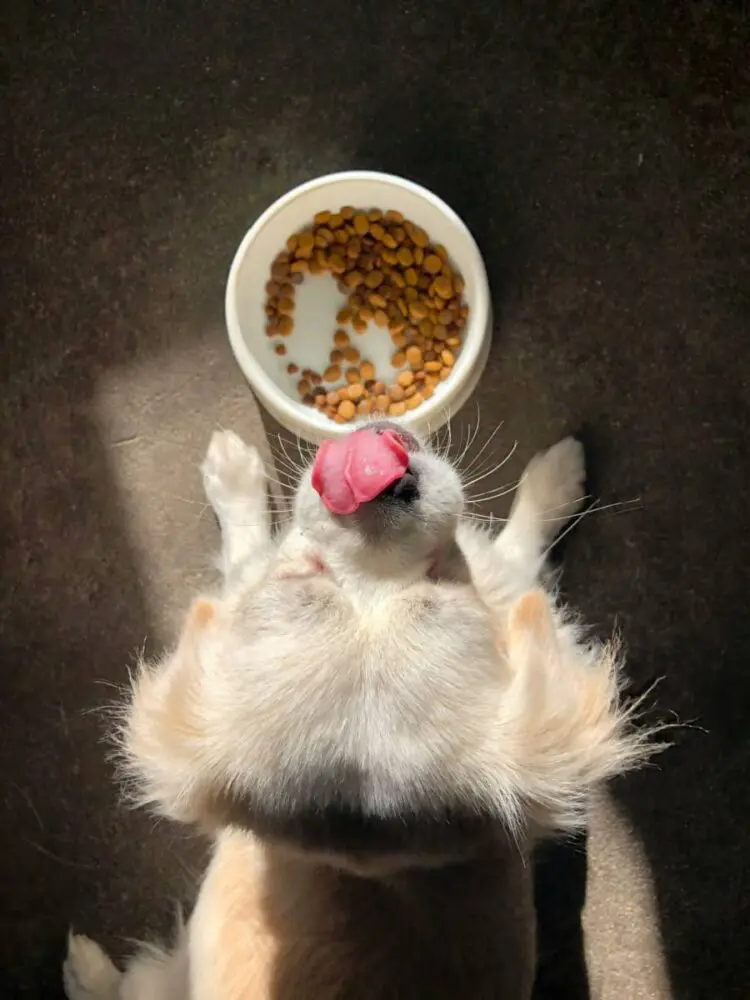
Healthy digestion produces firm, well-formed stools that pick up easily from the grass. Loose stools or diarrhea signal that the current dose is too high for that particular dog. Excessive gas or audible stomach gurgling after meals suggests the gut needs more time to adjust.
A healthy response includes more regular bathroom schedules and less straining during elimination. Some dogs show improved appetite or finish their bowls with more enthusiasm than before. Any sign of vomiting, lethargy, or refusal to eat means stopping the supplement right away. A quick return to normal after stopping the product points to a sensitivity rather than a serious illness.
Mix with Supportive Foods
Plain mushroom powder works better when paired with prebiotic-rich ingredients that feed good bacteria. Plain canned pumpkin provides soluble fiber that soothes inflamed intestinal linings naturally. Bone broth adds hydration and gelatin, which support a healthy mucosal barrier inside the gut.
Plain unsweetened yogurt introduces live bacteria that work alongside the mushroom compounds effectively. A small spoonful of cooked, mashed sweet potato offers gentle bulk for firmer stools. These companion foods should be introduced one at a time to identify any negative reactions.
Conclusion
A thoughtful approach to gut support requires patience, observation, and balanced decision-making. A reliable dog mushroom supplement can support digestive balance when introduced carefully and paired with gut-friendly whole foods. Careful integration within daily routines allows gradual evaluation without unrealistic expectations. A steady and informed method supports long-term digestive balance and comfort.
Related Posts:
Diane says
Interesting read on gut health support for dogs. I like how you explained the gradual introduction of mushroom supplements, since sudden dietary changes can upset digestion. It’s also helpful to focus on quality sourcing and correct dosing. My friend says that turkey tail mushrooms are her top choice because they act as a prebiotic, helping feed good gut bacteria and support digestion rather than irritate it.
Lucy says
I use the supplements with Lion’s mane mushrooms for my dog. This strain is usually mild and included in blends specifically designed for gut support and sensitive stomachs.