
Singapore offers far more than polished cityscapes, luxury shopping, and famous attractions. When you approach your trip as a chance to learn, you discover how language connects you with food, traditions, neighborhoods, and everyday conversations. This guide explores how you can turn your visit into a richer cultural experience by adding language learning to your travel plans.
A meaningful journey often comes from the moments between major attractions: ordering a meal confidently, chatting with locals, or understanding the stories behind a place. Building language experiences into your plans lets you create memories that feel more personal and lasting.
Turning Travel Into a Cultural Exchange
Many Singapore visitors see the sights but miss the deeper cultural details. You might visit popular locations, take photos, and move on without understanding the history and customs that shape daily life. Learning basic phrases can help you connect with the city beyond its tourist surface.
Taking Mandarin classes in Singapore can make your trip more interactive by giving you practical communication skills while you explore. You can practice greetings, ask questions, and understand common phrases used in shops, restaurants, and public spaces. The experience also introduces you to local perspectives that you may not encounter through traditional sightseeing alone.
Singapore’s multicultural environment makes language learning especially rewarding. While English is widely used, Mandarin, Malay, and Tamil reflect the country’s diverse heritage. A simple conversation with a local resident can reveal stories about family traditions, neighborhood history, and changing lifestyles.
Exploring Singapore Through Everyday Conversations
Your language journey can begin with ordinary experiences. A visit to Little India allows you to hear different languages spoken in a vibrant setting filled with temples, shops, and restaurants. You can explore a Buddhist temple, learn about local customs, and notice how different communities have shaped the city.
Food is another gateway to cultural understanding. Instead of simply searching for familiar meals, you can practice ordering at Hawker stalls and discover dishes such as Hainanese chicken rice or chili crab. Speaking with vendors often gives you a better appreciation of how recipes, ingredients, and cooking traditions developed.
You may also find that transportation becomes part of your learning experience. Using the Singapore Metro or scooter taxi rides where available helps you navigate the city while picking up everyday expressions. These small interactions make your travel experience feel more connected and less like a checklist of attractions.

Adding Language To Your Singapore Trip Itinerary
International arrivals in Singapore are expected to rise to 18 million this year, although the country’s Tourism Board expects spending to reduce slightly, showing that visitors are becoming more selective about how they spend their time and money.
Planning a Singapore trip itinerary around learning opportunities can transform how you experience the city. You might begin your morning at Gardens by the Bay, practice new vocabulary during a café visit, and spend the afternoon exploring cultural districts. The goal is not to become fluent overnight but to become more comfortable engaging with your surroundings.
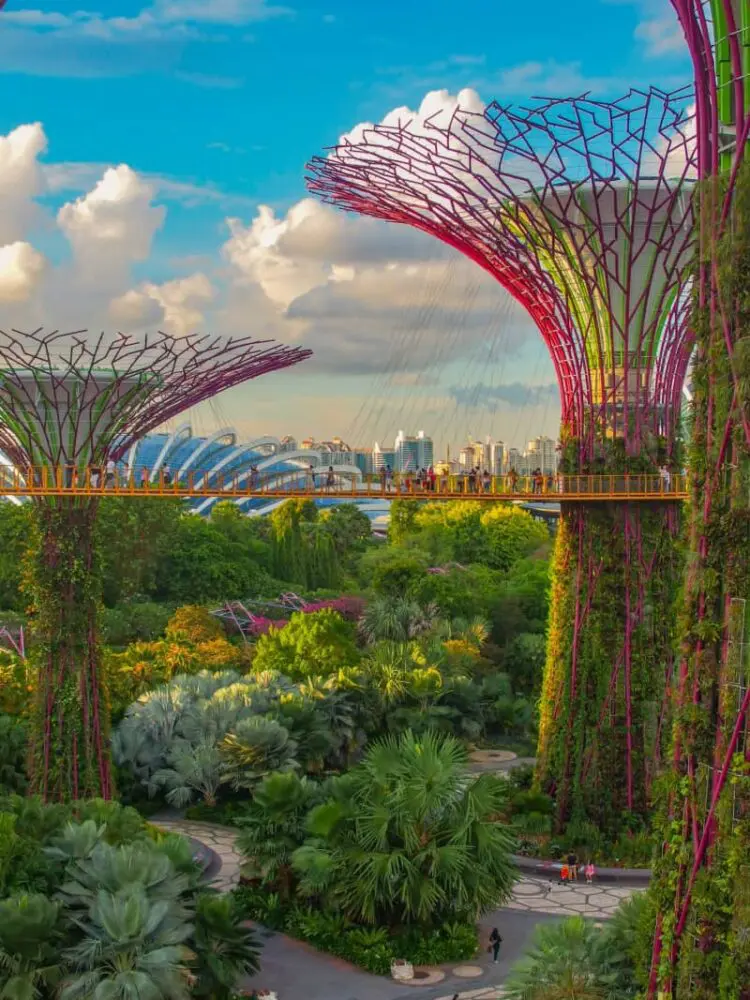
Famous attractions become more meaningful when you understand their background. You can visit the Supertree Grove and appreciate how it represents sustainability and modern design. A stay near the Marina Bay Sands Hotel places you close to major landmarks, while also giving you opportunities to observe the city’s fast-paced lifestyle.
Your destination can include educational stops such as the National Museum of Singapore, where exhibits help explain the country’s development. You might also explore the Singapore Botanic Gardens, enjoy the views around Orchard Road, or take a Ferry route to nearby areas. Each location offers a chance to connect language with real-world experiences.
Choosing Experiences Beyond Traditional Tourism
Modern travelers increasingly look for ways to experience destinations differently. Unique experiences, including learning a new language, can help tourists create deeper connections rather than simply collecting photos.
Many visitors follow popular recommendations from sources like Lonely Planet and other destination guides, but adding personal learning goals can make your trip stand out. You could join workshops, speak with residents, or explore communities that reveal a different side of the city. These moments highlight the human side of travel.
There are many ways to expand your cultural experience. More immersive travel activities, like small ship expeditions, also encourage meaningful connections by placing you closer to local environments and communities. Similar approaches work when you choose activities that involve interaction instead of passive observation.
Balancing Preparation and Discovery
A successful educational trip requires some planning before you arrive. Check important details such as the Singapore Arrival Card, visa requirements, and travel health information so you can focus on enjoying your language and cultural experiences. Preparing in advance reduces stress and leaves more room for exploration.
Your travel choices can also shape your learning journey. You might spend time visiting Sentosa Island, experience attractions like Universal Studios Singapore, or explore the Jewel complex while practicing conversations in different settings. Even entertainment and shopping areas can become avenues to observe local communication styles.
Budgeting wisely also helps. Understanding the Singapore dollar makes it easier to plan meals, transportation, activities, and unexpected discoveries. Awareness of local costs improves your overall experience, regardless if you’re visiting a waterfront property, exploring a heritage district, or attending an event at the Singapore Turf Club.
Creating Memories That Last Beyond the Trip
The best souvenirs are often the skills and connections you bring home. A new phrase, a conversation with a local, or a better understanding of Singapore’s communities can stay with you long after you return home.
Learning through travel also changes how you see the world. You begin to recognize that a destination is not only made of landmarks but also of people, stories, and daily routines. If you ever need assistance during your travels, resources such as the U.S. embassy can provide support, but preparation and cultural awareness help you enjoy your journey with greater confidence.
Singapore can be a place where education and adventure meet. When you add language experiences to your plans, every meal, neighborhood, and conversation becomes part of a larger story that you get to discover yourself.
Related Posts:
Siem Reap, Cambodia: My Travel Tips
Emily says
Keep up the good work! I would love to visit Signapore. I stopped there for a layover once but didn’t get to explore. I really regret it as I have heard so many good things.
Lion Reach says
I really enjoyed this perspective! So many travel guides focus on attractions, but connecting with a destination through its language creates a much deeper and more memorable experience. Even learning a few local phrases can make conversations more meaningful and help travelers appreciate the culture in a whole new way. Singapore’s multicultural environment makes it an ideal place for this kind of learning. Thanks for sharing such thoughtful travel inspiration!