
Most people find joy in trips with their dogs, yet the real test usually shows up after reaching a destination. Settling into unfamiliar places tends to shake a dog’s calm. That comfort they had back home? Gone. New visuals, strange noises, and different scents, they all throw them off.
Most dogs pick up confidence in strange places over time. A calm approach in introducing them to new places often does the trick. Here are some tips to help your dog feel comfortable and ease anxiety while traveling.
Why New Environments Can Be Stressful for Dogs?
Familiarity matters a lot for dogs and puppies. That’s how their world feels safe. They learn the sounds of their neighborhood. They know roughly when people come and go. They know which noises belong there and which ones are worth paying attention to.
Then travel wipes the slate clean. With each new place comes scents they do not know. Sounds pop up out of nowhere. Faces around them aren’t familiar. It’s in such situations that what sometimes gets mistaken for anxiety is simply a dog trying to understand what’s normal.
That’s why some dogs seem unusually alert during the first day or so. They’re not necessarily struggling. They’re learning.
1. Start Building Confidence Before the Trip
Dogs who occasionally experience small changes tend to cope better with larger ones. It’s because they’re more familiar with the process of encountering something new. That’s why it’s important to start early by letting your dog experience new places ahead of your journey.
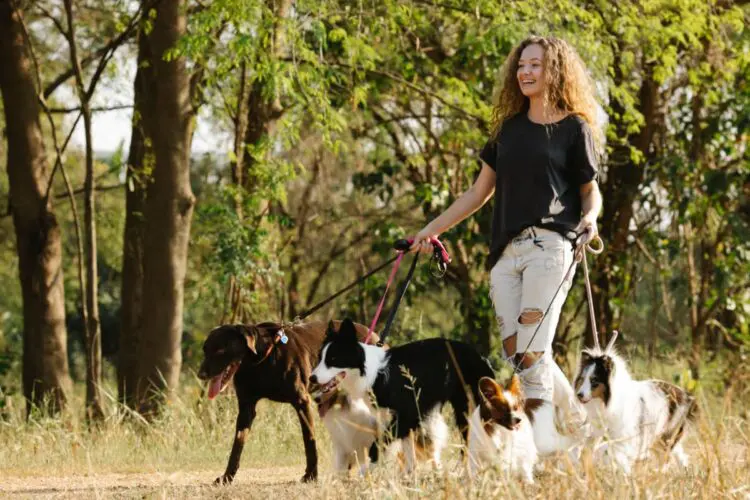
A different walking route can help. So can a new park. A pet-friendly outdoor shopping area. A neighborhood your dog has never explored before. The goal isn’t exposing your dog to every possible situation. That’s impossible. But each brief trip shows your dog that strange new spots aren’t scary.
Start slow on walks. Let the pup look around, take in smells and move how they like. When uneasy, skip pushing them to meet others. They gain trust best when given space to settle in. Time helps them feel steady. Each time your dog meets something new with calm, the next destination will feel less strange.
2. Bring Familiar Items From Home
Dogs don’t understand why they’ve been taken somewhere new, but they know what’s familiar. Their bed smells like home. Their blanket smells like home. The old toy they’ve carried around for years smells like home, too.
When everything else has changed, those familiar items become surprisingly important. This sounds almost too simple to matter, yet it often does. Those familiar scents can take some of the edge off an unfamiliar environment. A familiar blanket is a great way to prepare your dog for boarding too.
You can sometimes watch the effect happen. A dog spends time wandering around a room, unable to fully settle. Then their favorite bed gets placed in a corner, and suddenly they seem more comfortable. Not because the room changed. Because something familiar appeared within it.
3. Maintain Routines Whenever Possible
Travel naturally changes parts of your day. But dogs adapt better if they know what to expect next. Keeping your usual routine as much as possible helps with this. Particularly during the first day or two when everything else feels unfamiliar.
Also, dogs aren’t keeping track of minutes. What tends to matter more is preserving the day’s overall rhythm. Meals. Walks. Rest periods. Keeping those familiar patterns in place where possible often helps dogs settle more quickly into new environments.
4. Help Your Dog Adjust to New Sounds and Surfaces
Some travel challenges are easy to anticipate. Others seem oddly specific until you’re standing there watching them happen.
A dog that confidently hikes rocky trails may hesitate on a polished hotel floor. Another may ignore traffic noise but become suspicious of an elevator. The issue isn’t stubbornness. Usually, it’s uncertainty. The dog isn’t sure what to make of the new surfaces or sounds.
Start slow when letting your dog explore new places. Should they pause at a shiny lobby floor, or wait instead of tugging ahead? Patience helps them adjust without pressure building up.
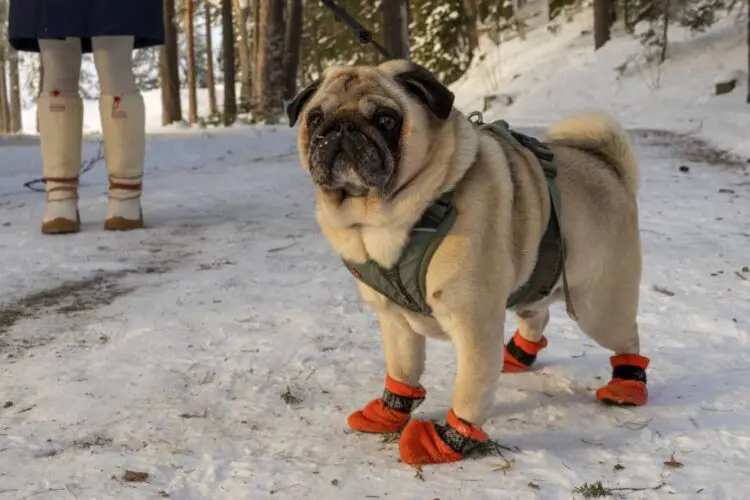
You could also consider dog boots for outdoor adventures. They can be useful on rough terrain, rocky trails, hot pavement, or icy surfaces. Just don’t make the trip their first introduction to boots. Most dogs need a period of adjustment, and that period can be amusing to watch.
5. Choose Practical Travel Gear
Most dogs don’t care how stylish a piece of equipment is. They care whether it’s comfortable. A secure safety harness for the car. A reliable leash. Accessories suited to the weather and environment. That’s often enough.
For dogs traveling in colder conditions, especially short-coated breeds, properly fitted dog outfits can help make walks more comfortable. The goal isn’t making your dog look ready for vacation photos. It’s helping them stay comfortable while they’re already dealing with an unfamiliar environment.
6. Give Your Dog Time to Settle
This may be the most overlooked part of traveling with dogs. People arrive somewhere new and immediately want to start doing things.
The dog often has other plans. They want to investigate the room. Smell the corners. Figure out where the sounds are coming from. It’s how dogs gather information.
Once you reach your destination, allow your dog time to move through the area without rushing. They should smell what is there, look into corners, get used to sights and sounds, and only then begin doing more things together.
7. Watch Your Dog’s Body Language
The tricky thing about body language is that dogs rarely announce how they’re feeling in obvious ways. Sometimes they do. More often, the clues are smaller.
A dog that normally takes treats may turn them down. A dog that usually relaxes quickly may keep getting up to check the room. Some dogs become quieter. Others seem unusually interested in everything happening around them.
One behavior change by itself isn’t enough to tell if your dog is distressed. It’s often more useful to watch for changes over time. What does the dog look like two hours later? The next morning? Are they starting to settle into the environment? That’s usually where the real answer is.
Conclusion
Helping your dog adapt to new environments isn’t really about teaching them to ignore change. It’s more about giving them enough familiarity, enough time, and enough opportunity to understand what’s around them.
The dogs that travel well aren’t necessarily the dogs that never notice anything new. They learned through experience, gradually discovering that new places aren’t necessarily something to be concerned about. For many dogs, that confidence develops one trip at a tim them enough familiarity, enough time, and enough opportunity to understand what’s around them.
The dogs that travel well aren’t necessarily the dogs that never notice anything new. They learned through experience, gradually discovering that new places aren’t necessarily something to be concerned about. For many dogs, that confidence develops one trip at a time.
Related Posts:
Brandon says
Great tips! Introducing new environments slowly and pairing them with positive experiences can make such a big difference for a dog’s confidence. I’ve also found that staying calm ourselves helps, since dogs are so good at picking up on our emotions.
Crystal says
I love the reminder that every dog adjusts at their own pace. Giving them time to observe, rewarding calm behavior, and avoiding overwhelming situations can help build confidence. These are such practical tips for helping dogs feel safe while exploring new places!